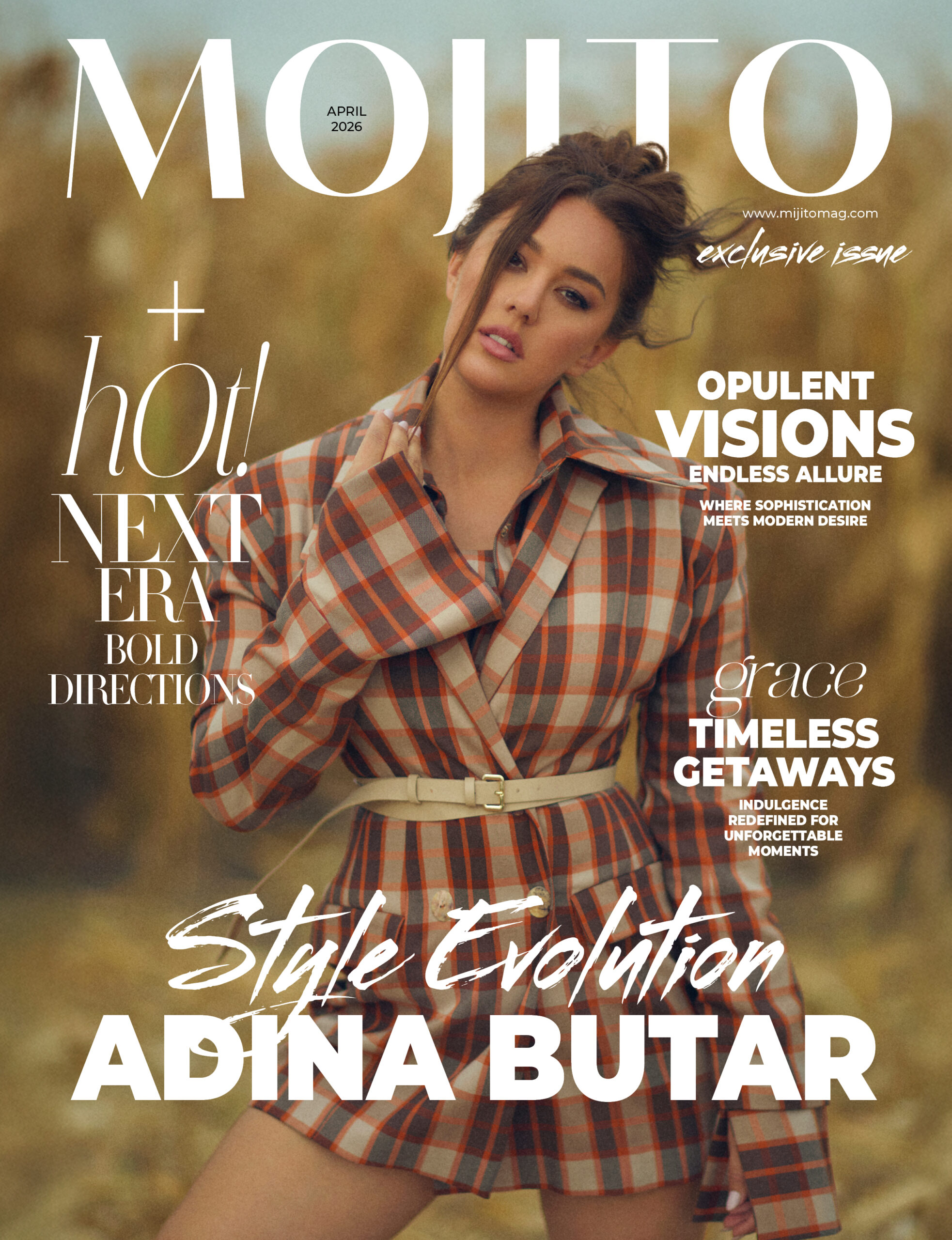
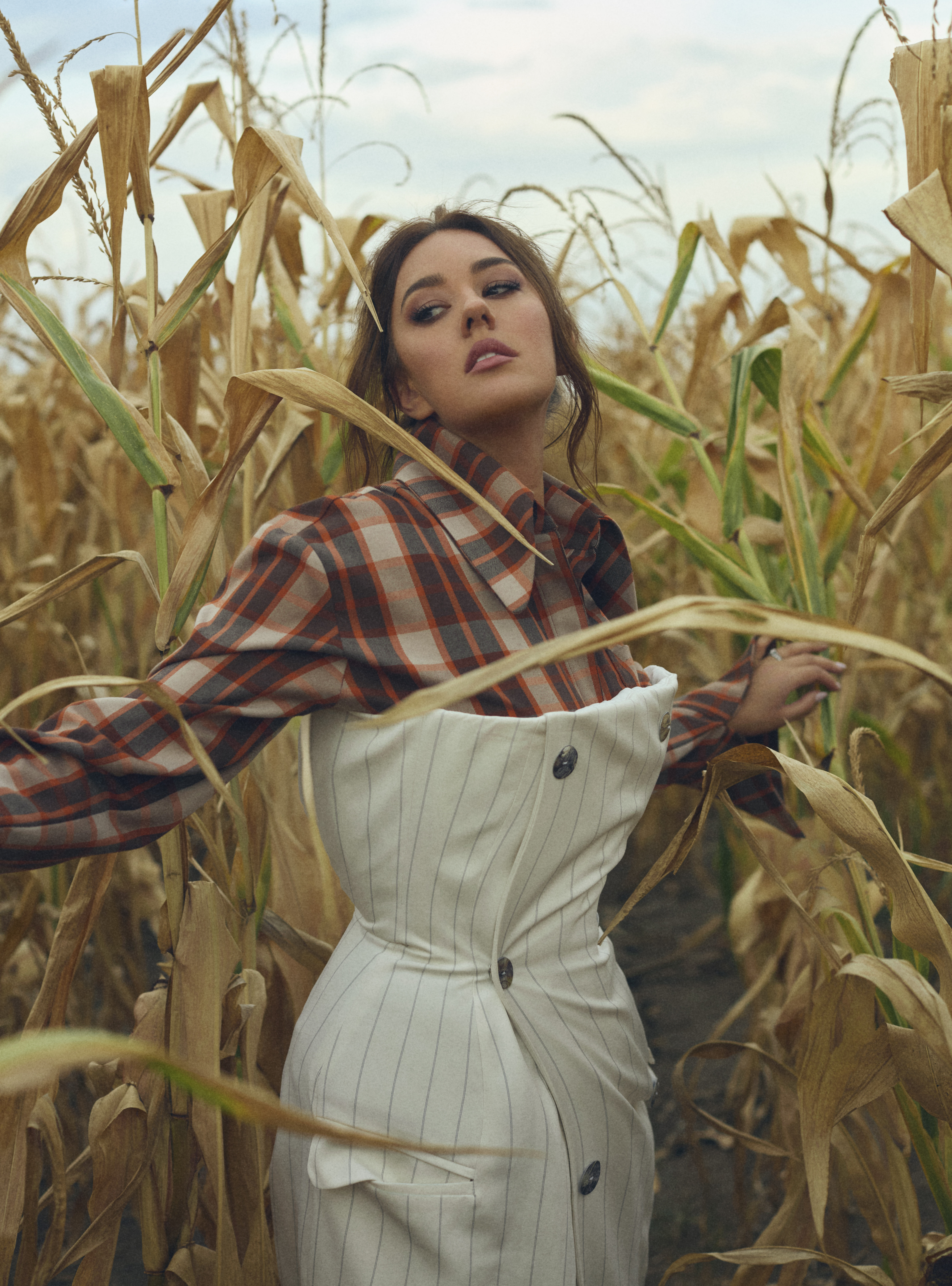
 Adina is an artist whose voice once became a defining element of the electronic music scene, known for its depth, emotion, and unmistakable presence. Today, she is stepping into a new chapter – one that is more personal, introspective, and creatively independent.
Expanding beyond music, Adina is also exploring writing, using it as a way to dive deeper into human emotions and inner transformation. Her work now reflects a quieter strength, focused on authenticity, intuition, and meaningful expression.
In this interview with Mojito Magazine, Adina opens up about change, inspiration, and finding her true voice.
Adina, you spent years as a prominent voice in the high-energy world of electronic music. Was there a specific moment of “creative exhaustion” where you realized that your soul was no longer vibrating at that tempo, prompting your shift inward?
There wasn’t one dramatic breaking point – it was more like a slow dimming. For years, I was running on adrenaline, on stages, in studios, feeding off the energy of crowds and collaborators. But at some point, I started noticing a gap between the energy around me and the energy within me. I would finish a track that I knew would work, but I didn’t feel it anymore. That was the real signal – when success stopped feeling like alignment.
I wouldn’t call it burnout in the traditional sense; it was more like my inner world was asking for a different frequency – something more intimate, more truthful. That’s when I knew I had to turn inward, even if it meant stepping away from everything that had defined me up to that point.

You’ve described your new music as a “conversation with the inner self.” When you step into the studio now, how do you silence the expectations of the industry to ensure that only your most honest, vulnerable voice is being heard?
It’s a daily practice, honestly. The industry has a very loud voice – it tells you what works, what sells, what people expect from you. But I’ve learned to treat the studio almost like a sacred space. Before I start, I sit in silence, sometimes for a long time, until I can hear something underneath the noise.
I don’t open old sessions, I don’t think about trends, and I don’t even think about the audience at first. I just follow emotion. If something feels too polished too quickly, I question it. Vulnerability is rarely convenient – it’s messy, it takes time, and it often feels uncomfortable. But that discomfort is usually where the truth lives. I’ve learned to trust that instead of resisting it.
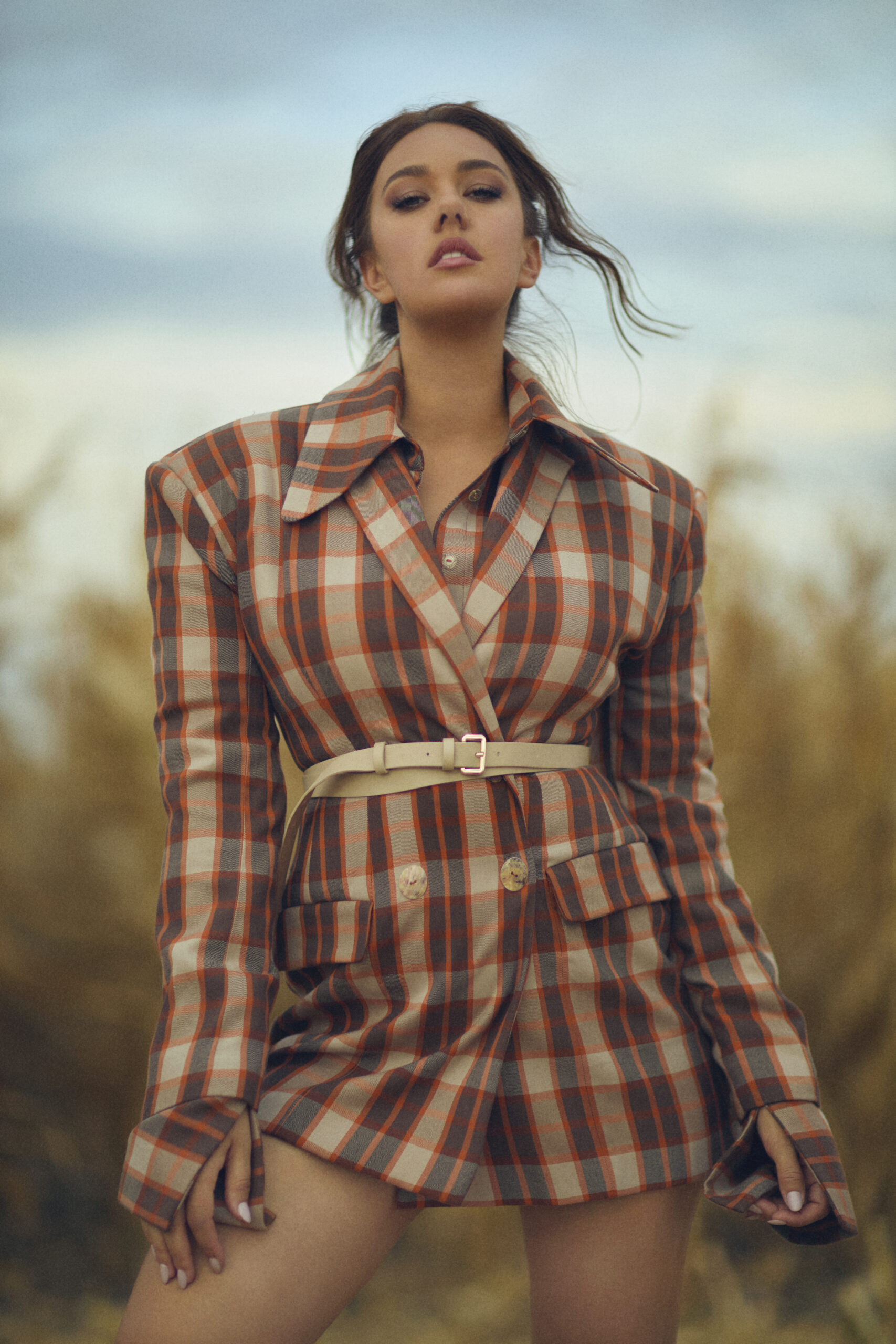
Transitions can be daunting. What has been the most challenging part of moving from being a “featured voice” in someone else’s project to being the sole architect of your own stories?
The biggest challenge has been the responsibility of honesty. When you’re a featured voice, you’re interpreting someone else’s vision – you can hide a little, you can adapt. But when it’s your own project, there’s nowhere to hide. Every lyric, every sound, every silence—it all reflects you. That level of exposure can be intimidating.
There’s also the shift from being “invited” into a space to creating the entire space yourself from zero. It requires a different kind of confidence – not just in your talent, but in your perspective. I had to learn to trust that my story, as personal and imperfect as it is, is enough.
Beyond music, you are now diving into the world of literature. How does writing a book allow you to explore those “unconscious patterns” of the human mind in a way that a three-minute song simply cannot?
Writing a book gives me space – space that music simply doesn’t allow. A song captures a feeling, a moment, a fragment of truth. But a book lets you unfold the layers behind that feeling. It allows you to explore contradictions, to sit with ambiguity, to trace patterns over time.
When I write, I can follow a thought all the way into the unconscious – into the “why” behind behaviors, fears, and desires. There’s room for reflection, nuance, and questions that don’t need immediate answers. It’s like zooming out from a single emotional snapshot to an entire psychological landscape. And for me, that’s where a deeper kind of healing and understanding begins.
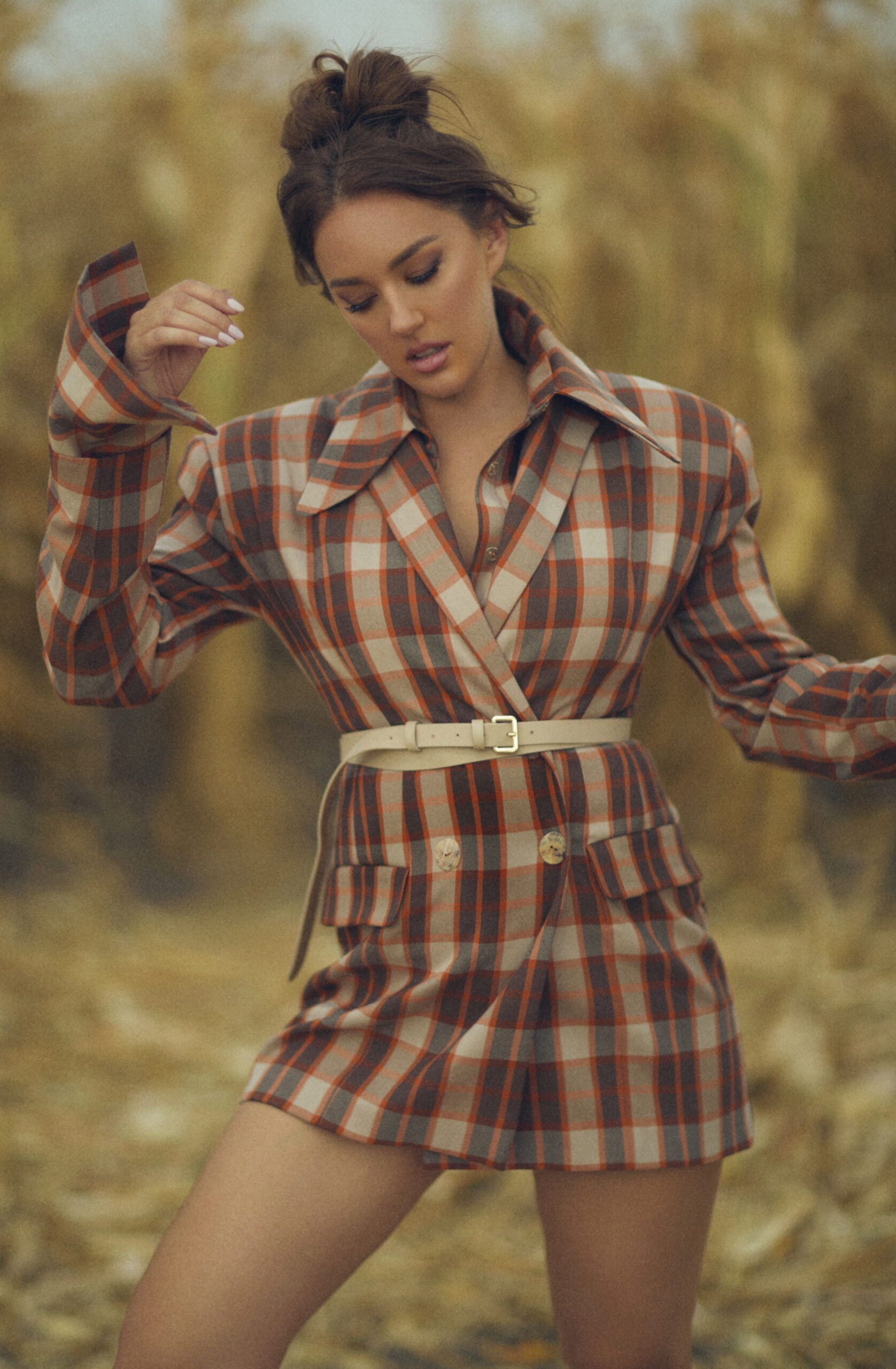
Between being a writer, an artist, and a mother, you wear many hats. How has motherhood specifically influenced your intuition? Does it make you more protective of your creative energy, or has it opened up a new well of inspiration?
Motherhood changed my intuition in a profound way – it sharpened it and softened it at the same time. When you become a mother, you start listening differently—not just to your child, but to yourself. There’s a deeper sensitivity, almost like your inner compass becomes non-negotiable. I can’t ignore what feels off anymore, whether in life or in my creative work.
At the same time, it has made me much more protective of my energy. Time feels different now. I don’t have the luxury of pouring myself into things that don’t feel aligned, because there’s someone who depends on me being present, grounded, and real.
Interestingly, that protection hasn’t limited my creativity – it’s refined it. Everything unnecessary has fallen away, and what’s left is more honest and essential. And the inspiration is deeper than ever. Motherhood connects you to unconditional love, but also to fear, responsibility, and vulnerability on a whole new level. Those emotional layers naturally find their way into my work.
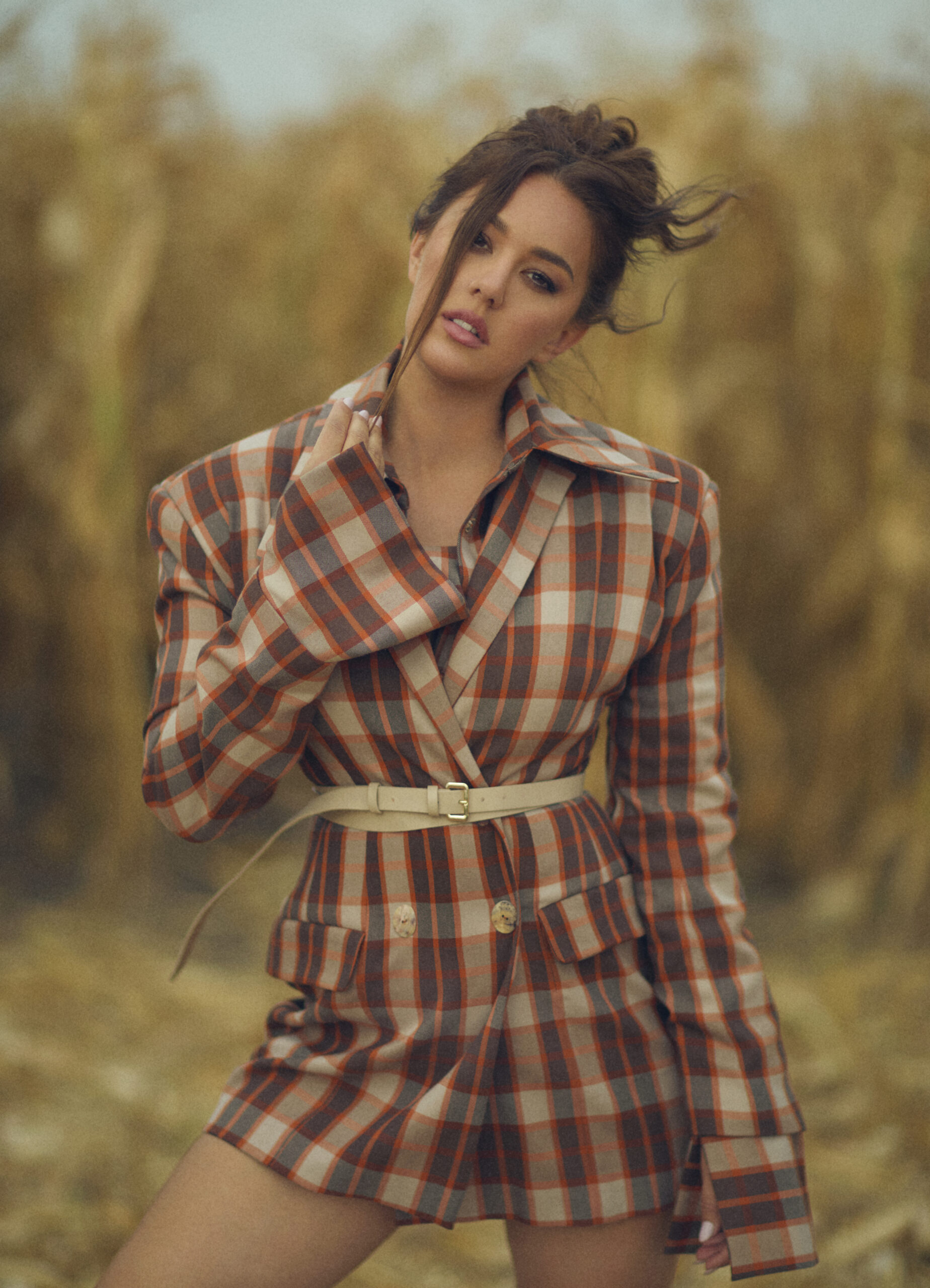
Looking ahead, if you could give one piece of advice to the Adina who was just starting her career in the loud, fast-paced world of electronic music, what would it be?
I would tell her: Don’t rush to become who you think you need to be.
In the beginning, there’s so much noise – so many expectations about success, identity, and image. It’s easy to shape yourself around that, to fit into a version that’s already been validated by others. But that comes at a cost—you slowly lose touch with your own voice.
I’d tell her to take more time to listen inward, even if it feels like you’re falling behind. You’re not – you’re building something more sustainable, something that won’t collapse when external validation fades.
And most importantly: your sensitivity is not a weakness in this industry – it’s your greatest strength. That’s where your truth is. That’s where your longevity is.